


PARASITOLOGY
Introduction. Notocotylidoses are fairly widespread in Russia dixenous trematode diseases of birds and some mammals caused by the members of the family Notocotylidae, which parasitize in the intestines. Although the Perm Territory conditions (hydrological situation, prevalence of susceptible hosts) are apt to the increase of the population of this trematode species, the epizootic situation for this trematode in the region remains unstudied. The aim of the article is to investigate the prevalence of trematodes of the family Notocotylidae in the Perm Territory.
Materials and Methods. The objects of the study were freshwater gastropods (n=340), cadavers of wild waterfowl (n=16) and samples of mallards’ droppings from the places of their aggregations (n=139) collected in the Perm Territory during the warm seasons of 2024 and 2025. The research was carried out at Perm State Agro-Technological University named after Academician D.N. Pryanishnikov in compliance with the standard techniques: using microscopy compressor; partial helminthological dissections; sequential washings of droppings; standard histological examination of tissues of infested mollusks and ducks.
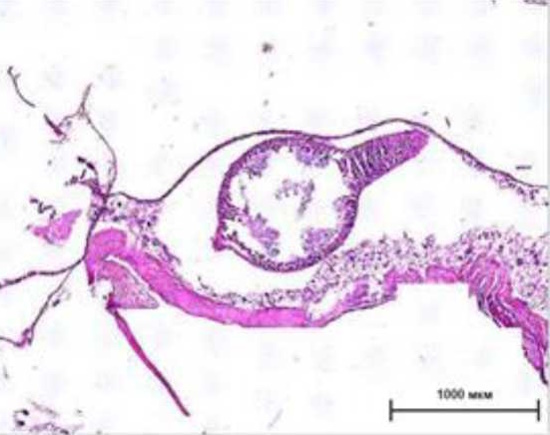
Results. A single Anisus vortex specimen from the Motovilikha Pond (Perm) was found to be infested with cercaria of Notocotylus sp. Also, marita of N. attenuatus was found in the intestines of a Clangula hyemalis. In the histological samples of the infested mollusk, edema, friable tissues, mucin hypersecretion were revealed, and single cercariae were isolated. Also, the exposure of bird’s intestines to N. attenuatus resulted in chronic condition manifested in edema and degenerative changes in the tissues, as well as the development of the macrophage response in the lymph nodes.
Discussion and Conclusion. The presence of larval notocotylids in the Perm Territory did not confirm having a natural focus of avian notocotylidosis there. In this case, mammals are likely to be the definitive hosts. Marita of N. attenuatus was detected in a migratory species, in the long-tailed duck, which might have been infested in its wintering or nesting areas.
Introduction. The small pond snail (Lymnaea truncatula) acts not only as a vector for certain species of helminths but also as a universal intermediate host ensuring the circulation of a wide range of trematodes. The increased number of these parasites is a matter of significant epizootological and epidemiological concern as they are posing a threat to the health of humans and farm animals. The aim of the present review is to summarize the available ecology, parasitology, veterinary and epidemiology science data regarding L. truncatula and its role in spreading the trematodiases, particularly in the Kaluga Region.
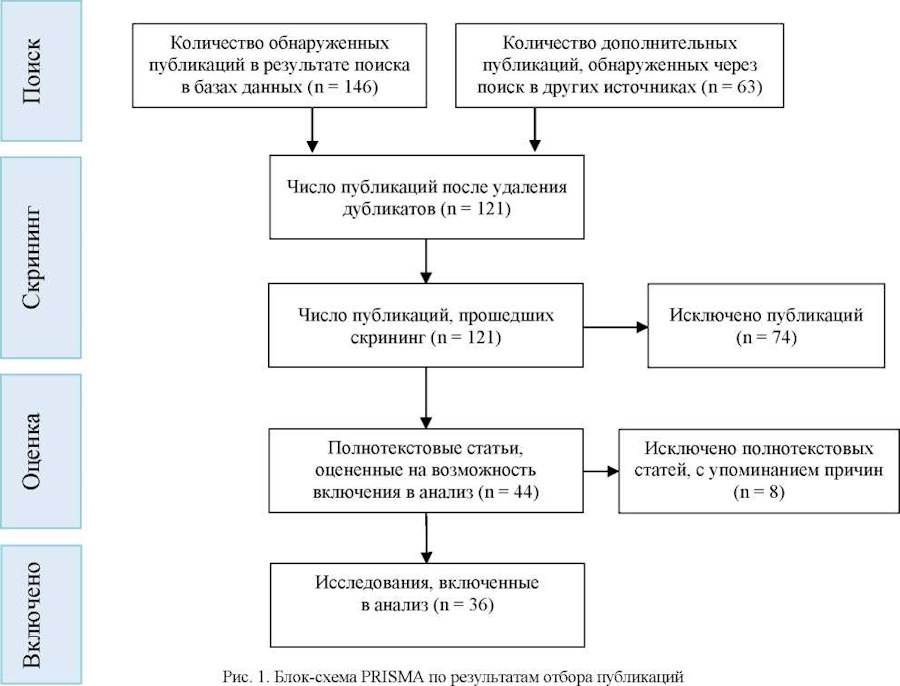
Materials and Methods. The following science citation databases were used: Google Scholar, PubMed, Web of Science, CyberLeninka, Russian Index of Science Citation (RISC/РИНЦ), and others. The publications in Russian and English of the period of 2010–2023 were selected by the keywords: L. truncatula, trematodiases, fascioliasis, dicrocoeliasis, Kaluga Region. Articles that were not peer-reviewed and data without statistical verification were excluded. The results were presented in a PRISMA flow chart.
Results. It has been established that the small pond snail plays a key role in the transmission of fascioliasis and is also potentially involved in the spread of other trematodiases. The main factors affecting spreading the infestation include hydrothermal conditions, high soil water capacity, livestock grazing intensity, and the state of melioration system. In the Kaluga Region, the mollusk population density in floodplain biotopes reaches 60–70 specimens/m², and the infestation rate reaches 23%, which creates the stable foci of infestation. The periods of greatest epizootic danger last from June to September. For the efficient control and prevention of trematodiases in the region, a comprehensive approach is required, which combines reclamation works, the use of molluscicides, and modern monitoring systems, as well as systemic collaboration between the specialists of veterinary, agricultural and research institutions.
Discussion and Conclusion. When interpreting the results of the present review, it is necessary to remember the limitations typical for this type of research: the risk of biased evaluation of studies due to the predominance of the publications with positive or statistically significant results in the analysed citation databases; the heterogeneity of the included studies, which complicates direct data comparison; the geographical and temporal limitations of data by region, etc. The following areas of research can be of potential importance in the future: studying the influence of the mollusk microbiome on their resistance to infestation; evaluating the efficiency of new biological control methods; and studying the impact of climate changes on parasitic systems. The data obtained will enable the development of a scientifically based trematodiases control system adapted to the Kaluga Region conditions.
ANIMAL PATHOLOGY, MORPHOLOGY, PHYSIOLOGY, PHARMACOLOGY AND TOXICOLOGY
Introduction. In the first part of the study, the relevance of improving the methods of rumen acidosis diagnostics in cows based on the intelligent systems was substantiated and the use of fuzzy set theory as a tool for such systems was proposed. The structure of the hierarchical-type intelligent system was developed, and formalization of the problem was completed. In the second part of the study, computer implementation of the fuzzy-logic-based intelligent system for diagnosing acidosis was completed using Xcos tool of Scilab software, and a computer application was developed in the Scilab+Scinotes environment as its practical implementation.
Materials and Methods. The study was conducted at Ural State Agrarian University and Northern Trans-Ural State Agricultural University from 2022 to 2025. The intelligent system techniques, fuzzy set theory and fuzzy logic methods, and Mamdani fuzzy inference system were used to conduct the study. A computer model for rumen pathology assessment was created based on the generalized smart system by means of Xcos tool of Scilab software. Computer implementation of the intelligent system was completed in the Scilab+Scinotes environment.
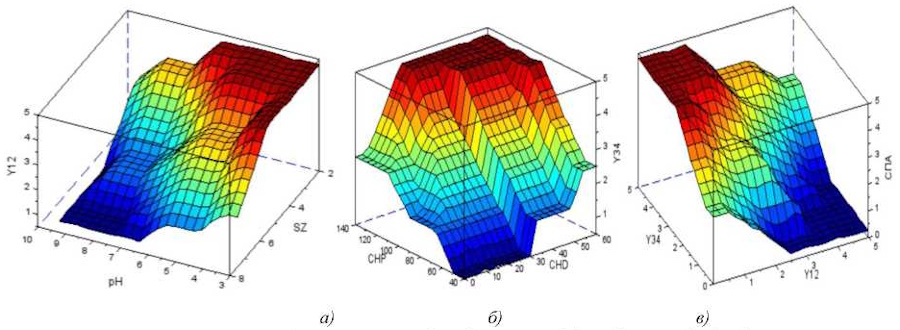
Results. For solving a problem of hierarchical-type intelligent system, the production rule bases, which included various combinations of diagnostic parameters and respective degrees of rumen acidosis pathology, were developed. Synthesis of fuzzy systems was performed using SciFLT tool of Scilab software. A generalized model of an intelligent system for diagnosing rumen acidosis in cows was developed using Xcos tool of Scilab software. Computer implementation of the intelligent diagnostic system was completed in Scilab software with embedded Scinotes text editor.
Discussion and Conclusion. The model of an intelligent system proposed by the authors is innovative and can be recommended for practical implementation into the expert advisory systems, for automation of veterinary workstations, and for using in modern veterinary telemedicine technologies.
Introduction. A clinical case of proliferative and necrotizing otitis externa (PNOE) in an elderly cat has been described, i.e. diagnostics and treatment with tacrolimus. This syndrome of unknown etiology occurs in cats aged from 2 months to 12 years. It bilaterally affects the concave pinnae and the external acoustic pore. Disease development in the ear canal is accompanied with the secondary bacterial or Malassezia otitides. Fifteen foreign works investigating PNOE in cats and dogs published in the period of 2000–2025 have been reviewed.
Materials and Methods. In November 2024, the owners of a five-year-old cat attended to the veterinary clinic “Center” (Rostov-on-Don) with the complaint on frequent otitides in their pet. PNOE diagnosis was based on the animal’s medical history, clinical examination, microscopic and cytological examination of discharge from ears (performed in the “Vet Union” veterinary laboratory, Moscow). Treatment included topical application of 0.1% tacrolimus ointment.
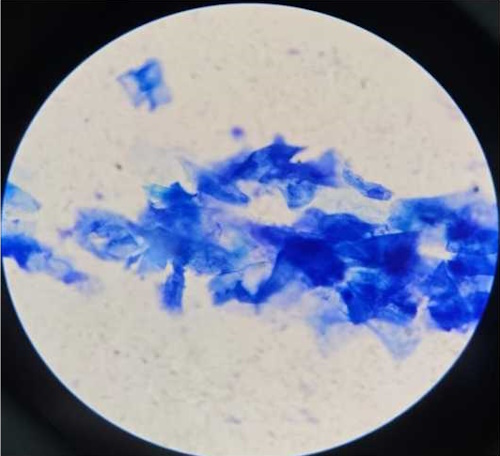
Results. Examination of the inner surface of the auricles revealed stenosis of the external ear canals and a significant number of black, dry crusts. An ear culture test revealed secondary microbial contamination with Pseudomonas aeruginosa, Klebsiella oxytoca, and Enterobacter cloacae; whereas, Candida or Malassezia spp fungi were not isolated. Also, during microscopy of earwax, no mites of the genus Otodectescynotis were isolated. After 4 weeks of treatment with 10 g of 0.1% tacrolimus ointment applied topically, normalization of condition was noticed during the otoscopic examination of the auricles.
Discussion and Conclusion. The efficiency of treating PNOE in cats with tacrolimus ointment applied topically to the auricle crusts has been proved. The data and photographs presented in the article may be useful for practicing veterinarians for diagnostics and treatment of this relatively rare disease.
ANIMAL BREEDING, SELECTION, GENETICS, AND BIOTECHNOLOGY
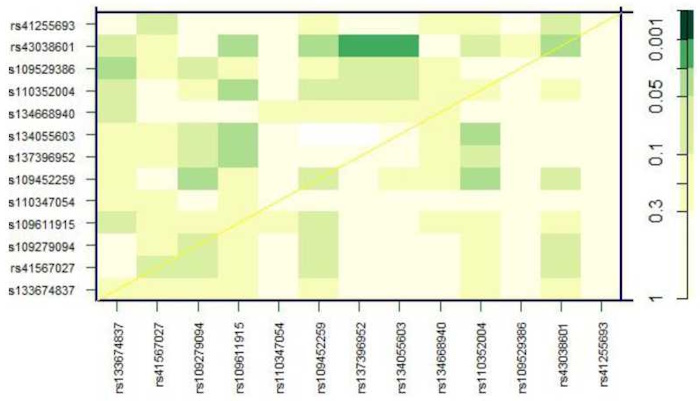
Introduction. Exterior traits of a cow can have crucial effect on development of pathological conditions, for example, sacrum anatomy features can be related to the risk of dystocia (pathological or difficult parturition). In dairy farming, pelvic parameters are one of the key factors enabling control of easy calving. However, modern breeding focuses on selection of the herd individuals with the highest milk yield and long-term economic productivity, whereas the exterior traits, unfortunately, are taken into account to a lesser extent. The aim of the present research is to identify associations of single-nucleotide polymorphisms with cow pelvic exterior parameters that are important prerequisites of susceptibility to easy or difficult calving. As a result, it will be possible to determine the genetic markers to be included into the selection-breeding programs.
Materials and Methods. The study was conducted at Ural Research Veterinary Institute — a structural division of Ural Federal Agrarian Research Center of the Ural Branch of the Russian Academy of Sciences in the period from 2023 to 2025. The exterior trait inheritance patterns were studied in Holstein cows (n=155) across three pelvic dimensions: sacrum height, hip width, and ischial tuberosity width. Association tests were conducted using SNPassoc R package.
Results. The mean values and standard deviations for pelvic height at sacrum in cows were found to be 161.7±5.3 cm; for width at hips — 41.1±3.9 cm; for width at ischial tuberosities — 22.4±2.1 cm. For each individual, genotyping with 13 polymorphisms was performed. Rs109452259 polymorphism in C* allele was revealed to have negative effect on hip width in Holstein cows. Rs134055603 and rs43038601 polymorphisms in G/G and C/A genotypes respectively, were established to have putative epistatic interaction with positive effect on the sacrum height. Also, rs134055603 and rs137396952 polymorphisms in C/A and C/C genotypes respectively were found to have possibly synergistic effect. Discussion and Conclusion. The data obtained in the frame of the study are reliable for the observed-level statistical interaction. Potential limitations of the study include possible influence of the unaccounted confounding factors, such as variability of animals within the studied groups by age, live body weight, lactation number, etc. For confirmation of the biological mechanisms, further functional studies are required.
SANITARY, HYGIENIC, ECOLOGICAL, VETERINARY-SANITARY EXAMINATION AND BIOLOGICAL SAFETY
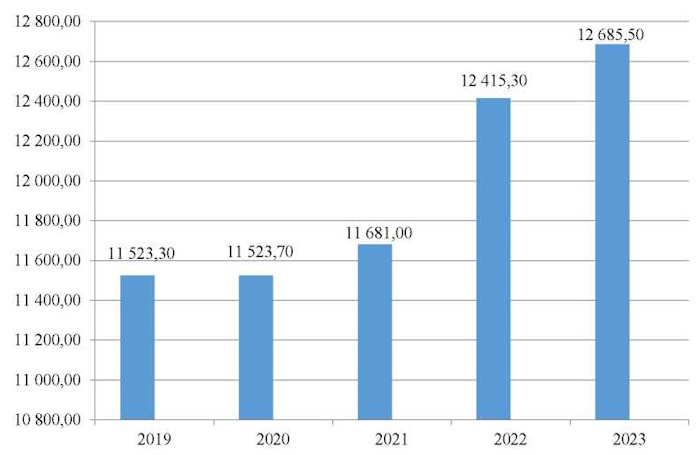
Introduction. Uncontrollable mortality in agricultural animals causes significant economic damage to the producers, and threatens the national food security. In the context of sanction restrictions, and the need to ensure the independence from import supplies, the problem of livestock mortality control has become particularly acute in the Russian Federation. Although the statistical data are available, the comprehensive analysis of the correlation of livestock mortality and population dynamics, as well as analysis of the factors inducing the growth of mortality are insufficiently presented in the scientific literature. This determines the relevance and purpose of the present study.
Materials and Methods. The study was conducted based on the data of the Federal State Statistics Service of the Russian Federation (Rosstat) for the period of 2019–2023. The methods of economic and statistical analysis were used, including the analysis of time series, calculation of livestock population growth rate, structural analysis of the share of mortality in the total figure of livestock population, and comparative analysis of the mortality and population rate changes in the main groups of agricultural animals.
Results. The situation has been identified as critical in pig farming, where the livestock mortality-to-population ratio has increased from 32.2% in 2019 to 43.1% in 2023, and in reindeer herding, where this indicator has reached from 14.9 to 19.0%. In most of the animal groups (cattle, pigs, sheep, goats, and horses), the mortality growth rate was found to significantly exceed the population growth rate, and the amplitude of mortality fluctuations was higher, indicating the insufficient level of process control. The key groups of factors influencing mortality have been identified: natural and climatic factors (natural disasters, dangerous diseases), technical and organisational factors (feed shortage, unsatisfactory condition of the premises), and organisational and human (low qualified staff, belated veterinary care).
Discussion and Conclusion. The obtained results confirm the existence of a systemic problem of uncontrollable mortality in agricultural animals in the Russian Federation, which requires a transition from the local measures to the State regulation. A set of measures has been proposed, including planning the actions of agricultural enterprises that face the livestock mortality threat, developing an insurance system, strengthening the state support, upgrading employee qualifications, and expanding statistical recording. Implementation of these measures will improve the predictability of livestock population dynamics, reduce the socioeconomic damage caused by the livestock mortality, and strengthen the food security of the country.


